

Understanding Emotions
How Do Therapists Use Movies to Help Clients Heal?
March 1, 2026
This blog explores what cinema therapy is, why it works so well, and how specific films, especially Inside Out, Manchester by the Sea, and Little Miss Sunshine, can help clients understand emotions, family dynamics, and healing. These films can be used to educate clients on how to label emotions, grieve, and understand family systems.
As therapists, we often ask clients to do something very hard: notice their feelings, sit with them, name them, and think about what they mean. For many people, both children and adults, this can feel overwhelming or even impossible. Emotions may feel confusing, scary, or unsafe to share. Words alone are not always enough to reach what needs to be understood. Cinema therapy offers a helpful bridge.
Cinema therapy, also called film therapy, is the intentional use of movies to support emotional insight, reflection, and healing. Instead of focusing on film details or plot analysis, cinema therapy uses characters,stories, and emotional journeys to reflect a client’s inner world. Watching a story unfold on screen allows people to see themselves indirectly, which often feels safer than talking about themselves right away.
This blog explores what cinema therapy is, why it works so well, and how specific films, especially Inside Out, Manchester by the Sea, and Little Miss Sunshine, can help clients understand emotions, family dynamics, and healing. These films can be used to educate clients on how to label emotions, grieve, and understand family systems.
Why Is Cinema Therapy Is So Effective?
Emotional Distance Creates Safety
One of the biggest strengths of cinema therapy is emotional distance. Talking directly about personal pain can quickly lead clients to shutdown, joke, avoid, or intellectualize. When the focus is on a character instead of the client, it often feels safer to engage.
This distance helps clients:
- Explore hard feelings without becoming overwhelmeled
- Feel less shame or self-judgment
- Speak more openly and honestly
For trauma-informed work, cinema therapy can help clients stay within their window of tolerance while still accessing meaningful emotions.
Movies Speak to the Emotional Brain
Movies communicate through images, music, sound, pacing, and silence, not just words. These elements reach the emotional brain in ways that talk therapy alone sometimes cannot.
Clients often notice:
- Strong feelings before they understand why
- Physical reactions like tears, tightness, or warmth
- Deep connection to certain scenes
These reactions are not distractions from therapy, they are the work. Cinema therapy helps clients feel first and reflect second,supporting emotional integration rather than just thinking about feelings.
Normalization Reduces Shame
Many clients believe their emotional reactions mean something is “wrong” with them. Movies challenge this belief by showing that sadness, anger, fear, grief, and jealousy are part of being human.
Cinema therapy quietly sends these messages:
- You are not alone
- Your feelings make sense
- Others struggle in similar ways
This can greatly reduce shame, which is often one of the biggest barriers to healing.
Stories Help Clients Make Meaning
People understand themselves through stories. Movies offer clear narratives that help clients reflect on their own lives, where they have been, where they feel stuck, and what healing might look like.
Cinema therapy invites questions such as:
- What story am I telling about myself?
- Where did this belief come from?
- Is this one chapter or the whole story?
How Can Movies Be Used In Play Therapy?
Inside Out: Emotional Learning and Play Therapy with Children
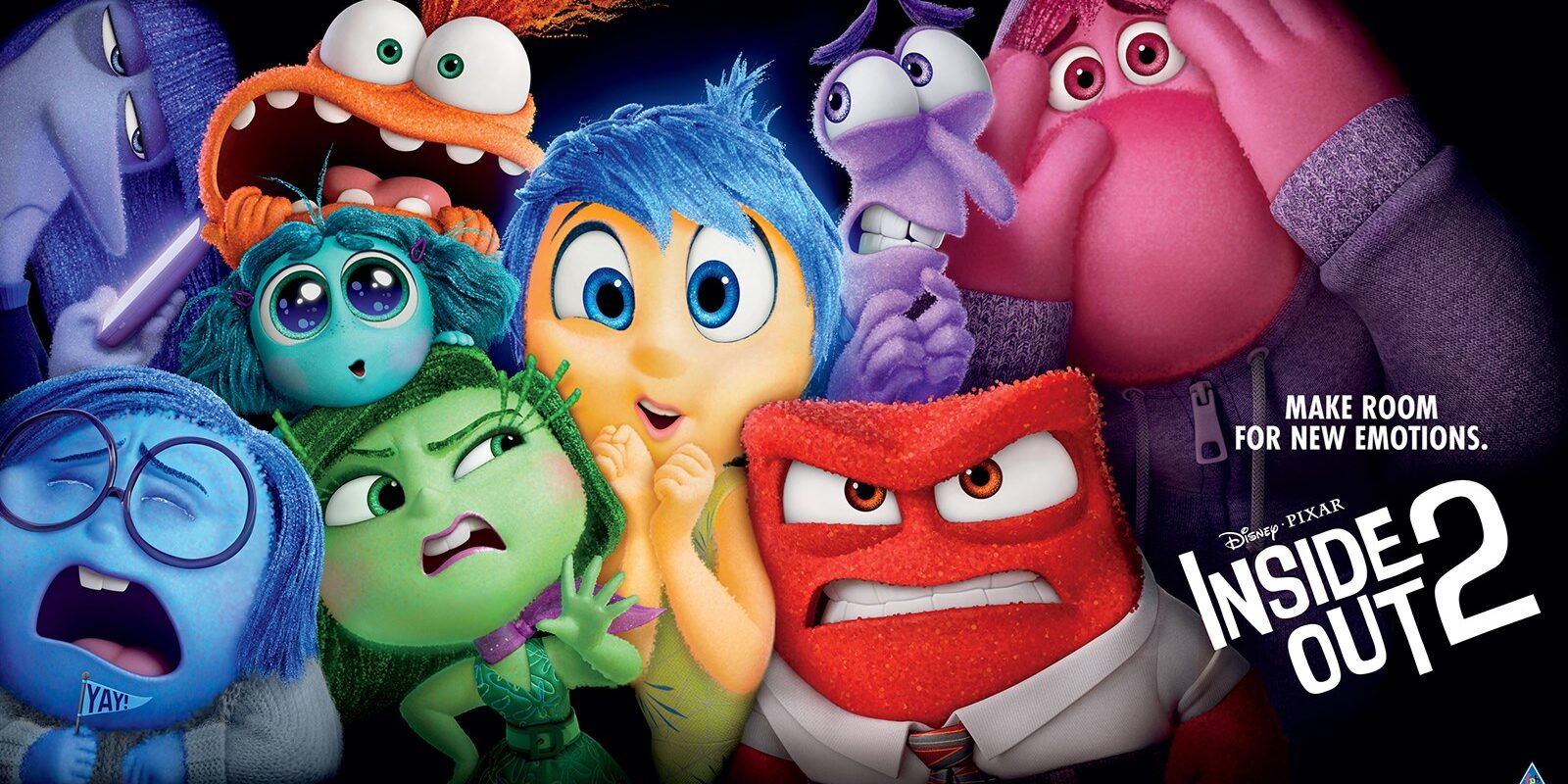
Inside Out is widely used in therapy, especially with children and families. Its strength comes from turning emotions into characters, making feelings easier to see, understand, and talk about.
Teaching Emotional Skills Through Play
Children often struggle to talk about feelings directly. Inside Out gives them a shared language that feels fun and safe.
Therapists can use the film to:
- Teach basic emotions (Joy, Sadness, Anger, Fear, Disgust)
- Normalize mixed and changing feelings
- Help children notice which emotions show up most often
Children might draw the emotions, act them out with toys, or talk about which emotion feels “in charge” during different parts of their day.
Placing Emotions Outside the Child
By showing emotions as characters, not flaws, the film helps children separate who they are from what they feel.
Instead of thinking "I'm bad when I'm angry", children can explore:
- "Anger takes over sometimes"
- "Sadness needs attention"
This reduces self-blame and helps children see emotions as experiences, not identities.
Using “Core Memories” in Play Therapy
The idea of “core memories” works well in therapy. Children can:
- Draw their own important memories
- Explore memories linked to strong feelings
- Notice how experiences shape how they see themselves
This helps children learn that feelings come from experiences, and that new experiences can create new meanings.
Teaching That All Emotions Matter
One of the film’s key messages is that emotions work best together. Joy cannot push Sadness away without causing problems.
In therapy, this supports:
- Accepting all emotions
- Co-regulation with caregivers
- Understanding that feelings have a purpose
Children learn that sadness can bring comfort, anger can protect boundaries, and fear can help keep them safe.
Helping Adults Understand Their Emotions Through Film
Although Inside Out is often linked to children, many adults find it deeply meaningful. Adults who grew up in emotionally invalidating homes may struggle to name or allow feelings.
Cinema therapy helps adults:
- Identify emotions they usually push away
- Notice which feelings were allowed in their family
- Understand how avoiding emotions affects relationships
Starting with the film often makes it easier to move into personal reflection.
Manchester by the Sea: Grief Without Easy Answers
While Inside Out teaches emotional awareness, Manchester by the Sea honors emotional pain that does not resolve neatly.
Validating Ongoing Grief
The film shows grief as heavy, long-lasting, and quiet. The main character’s pain does not disappear, it changes his life.
This helps clients understand that:
- Healing does not always mean feeling better
- Grief may lessen but remain
- Simply surviving can be a form of strength
For clients who feel ashamed of their ongoing pain, this can be deeply validating.
Reducing Judgment Around Coping
Withdrawal, numbness, and avoidance are often judged harshly. This film reframes them as survival strategies rather than personal failures.
This perspective supports self-compassion and reduces pressure to grieve “the right way.”
Little Miss Sunshine: Family Systems in Action
Little Miss Sunshine offers a clear and relatable look at family dynamics, making it useful for both individual and family therapy.
Understanding Family Roles
Each family member shows a familiar role:
- The high achiever
- The quiet observer
- The discouraged thinker
- The acting-out member
Clients can recognize these roles without immediately turning the focus on themselves.
Therapists might ask:
- Which character feels familiar?
- Who carries the emotional load?
- Who is allowed to fail and who is not?
Examining Beliefs About Success and Worth
The film highlights strong beliefs about winning, success,and achievement. These beliefs shape how family members treat each other.
Clients often recognize:
- Love that feels conditional
- Fear of failure
- Pressure to perform to be valued
Cinema therapy helps clients explore where these beliefs came from and how they affect self-worth.
Connection Without Perfection
Even with all its problems, the family shows connection through showing up, not through fixing each other.
This opens conversations about:
- What safe connection really looks like
- Whether love must be earned
- How families stay connected despite imprection
Helping Clients Connect Films to Their Own Lives
Cinema therapy works best when clients are helped to link the film to their own experiences.
Therapists might ask:
- Which emotions stood out most?
- Which scenes were hardest to watch?
- Where did you feel this in your body?
- How does this connect to your own life?
These questions help turn emotional reactions into personal insight.
Ethical and Clinical Considerations
Cinema therapy should always be used with care. Not every film is right for every client.
Clinicians should consider:
- Emotional readiness
- Cultural relevance
- Clear therapy goals
- Time to process after viewing
Cinema therapy works best when it supports, not replaces, strong therapeutic relationships.
Why Cinema Therapy Matters
Cinema therapy reminds us that emotions are not problems to fix, but experiences to understand. Films give shape to feelings, words to what feels hard to name, and comfort to pain that feels lonely.
Through stories, therapists meet clients where they already are: curious, engaged, and emotionally open. Whether through the emotional lessons of Inside Out, the honest grief of Manchester by the Sea,or the family dynamics of Little Miss Sunshine, cinema therapy turns stories into tools for healing.
Sometimes, before clients can say, “This is how I feel,” they need to see it.
And sometimes, a movie opens a door that words alone cannot.
If you’re curious about how cinema therapy or other creative, evidence-based approaches can support your healing, we’re here to help. Our therapists work with children, teens, and adults to explore emotions in ways that feel safe, meaningful, and transformative.
Reach out today to schedule an appointment with one of our providers and begin your next chapter.
-
.png)




.svg)
